Early Access on Steam · Windows & macOS

Practice guitar
like a game

Plug in a real guitar. Notes fall down the screen, and GuitarSesh grades every note it hears against the note that is charted. Import the tablature files you already own, slow the hard bars down, and read back what the play recorded.

  • One-time purchase
  • Your own tablature files
  • Any 1/4" to USB cable or audio interface
  • 29 languages
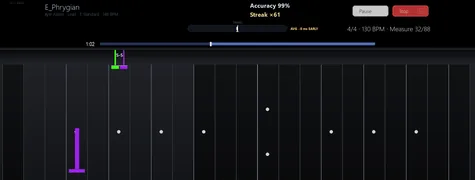
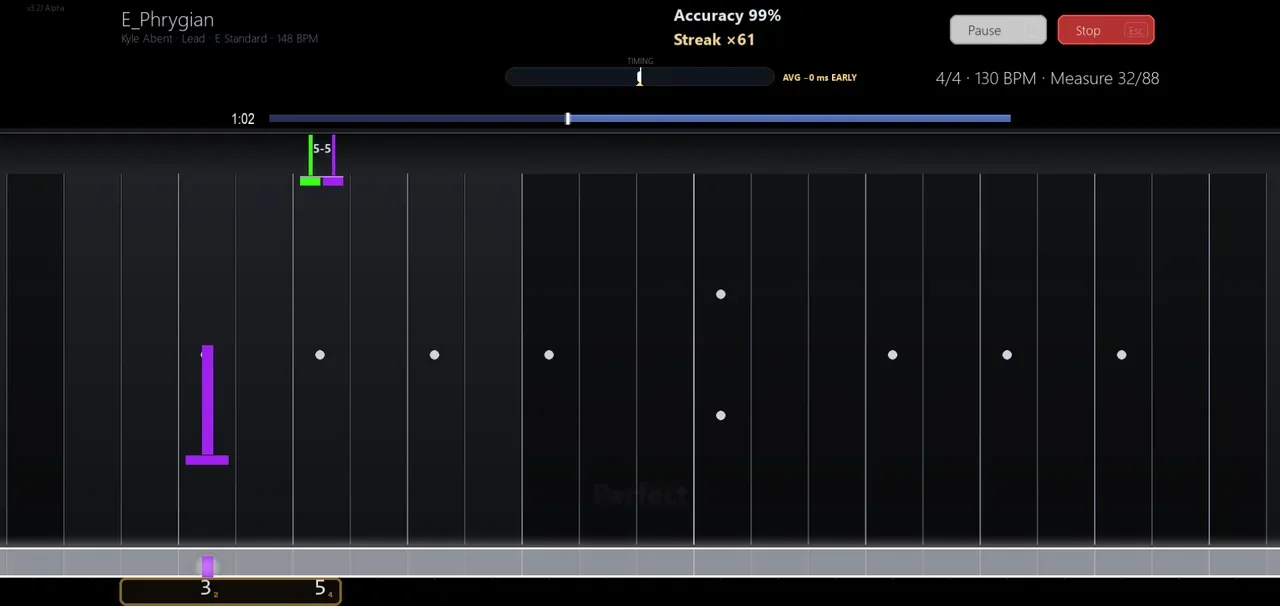
The note highway mid-song, a chord landing inside the finish slot.
131.7hPlaytime
2,866Plays
208Sessions
936Files in my library
1.12MNotes judged

My own database, as of 16 September 2026.

My own library and play data — one player, not a typical result.

Try the timing window in your browser

This is the same +/-24 ms Perfect window the game uses; the game hears a real guitar instead of a key. The notes are the Lead part of my song Three Dimensional, at its written timing.

Three Dimensional (Lead) - Kyle Abent

A practice lane: a note falls towards a strike line.

Press Space, tap the lane, or use the Hit button when the note reaches the line.

Last ten

  1. Nothing yet
  • Perfect — within 24 ms either side
  • Good — 24 to 72 ms late, and there is no early Good on purpose
  • Early — more than 24 ms early
  • Late — more than 72 ms late
  • Missed — no press at all. This one is the demo's word, not the game's.

What the lane is doing: a coloured bar falls down a dark neck and reaches the bright strike line about every 1.6 seconds. The moment a key or the Hit button goes down is compared with the moment the bar arrives, and the difference in milliseconds decides the word — Perfect, Good, Early or Late. Every verdict is read out to this page and listed in the last-ten strip above.

Nothing here is recorded, stored or sent anywhere; the whole thing runs in this tab.

Start where the game starts.

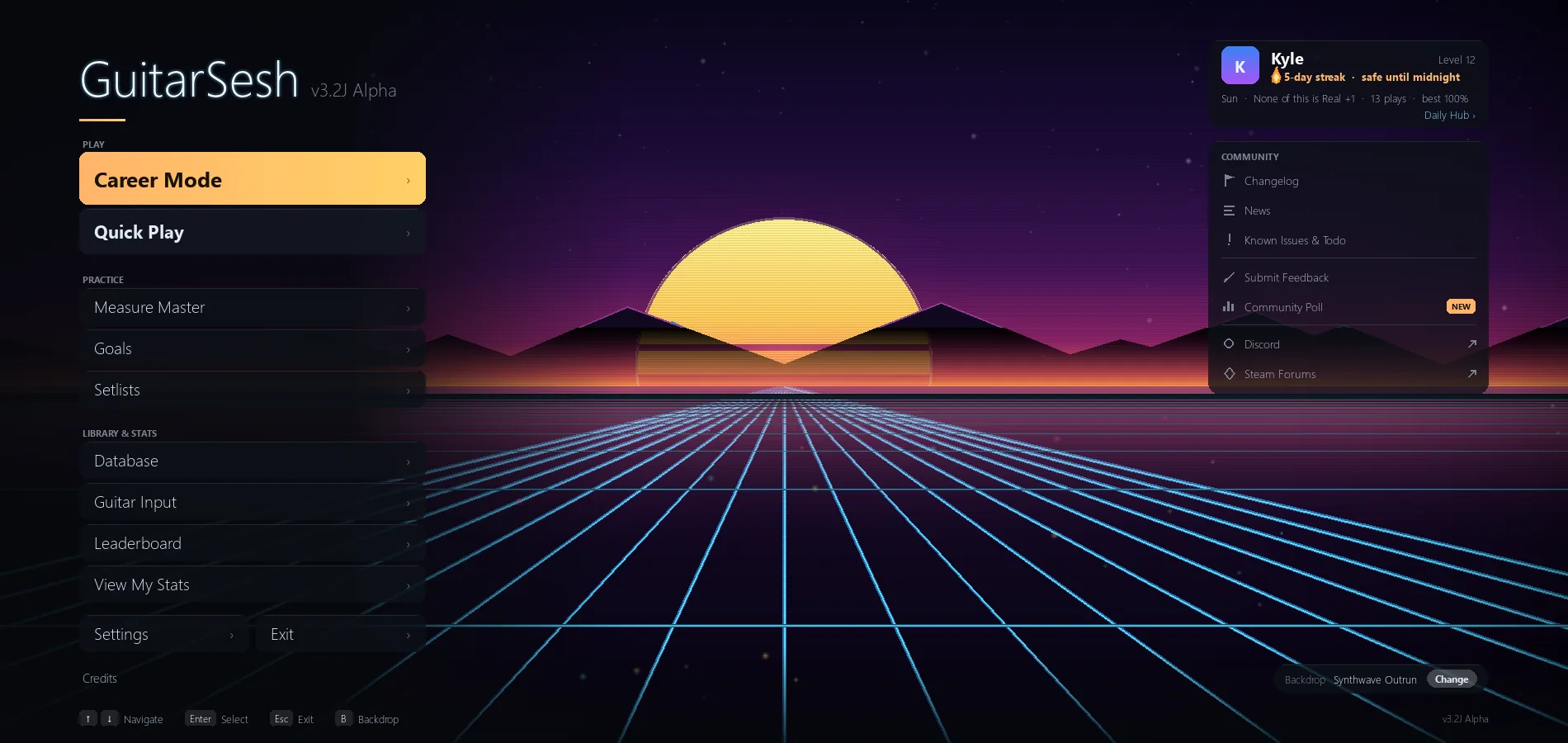
This is the menu that opens when you launch it — not a mock-up, not a render. Every screen below is the same build, shot the same way.

Start menu

Start over
The start menu on the Synthwave Outrun backdrop, with a live player card showing a running streak and the last song played.
Screens of the game

What this screen does

This is the room the game opens in. Every mode is one click away, and the card on the right is me: the streak I am carrying, the last thing I played, and how long today's practice ran. The backdrop behind it is one of a shelf of animated scenes, and several of them move to whatever the guitar is doing while the menu sits idle.

Nine screens, in the order you meet them.

Screens from the current build, v3.2J Alpha. All 50 screens →

Playing

The note highway. Real notes off the chart, running to a finish line that is a slot rather than a line, so being early and being late look different at a glance. The pitch detector grades every note by what the guitar actually sounded, not by whether a button was pressed, and the word it gives back arrives fast enough to correct on the next bar.

A dense passage mid-song, a chord landing inside the finish slot with the streak running.

see what's recorded here →

Song stats

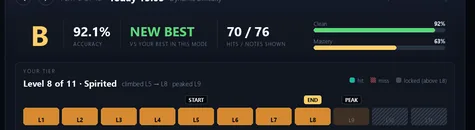
What the last run was worth, and what every run before it was worth. A grade, an accuracy, the longest unbroken streak, and the whole history underneath so a good day is visible as a good day rather than a feeling. Tabs cut the same play apart by misses, by trend and by measure.

The Plays tab after a personal best, showing the grade, the accuracy and the run history for this song.

see what's recorded here →

Measure Master

The screen that answers 'what should I practise'. It reads every play I have ever recorded, finds the weakest stretch of each song and puts them in order, so the shortlist is built out of my own misses rather than out of a curriculum.

The practice list with songs ordered weakest first and one section selected, ready to drill.

see what's recorded here →

Career map

Career mode is a tour. Regions open into countries, countries into cities, cities into venues, and each one wants a set played to a standard before the next unlocks. The map is real geography, and the songs are the ones already in my own library.

The North America region with countries in progress, one complete and the next unlock called out.

see what's recorded here →

Goals

A goal is a number on one song: an accuracy to reach, a streak to hold, a tempo to survive. The screen tracks how far off each one is, charts the runs that got closer, and clears it the moment a play beats it. Goals follow the profile between machines.

Active goals with their progress bars, one of them charted and close to clearing.

see what's recorded here →
Song picker

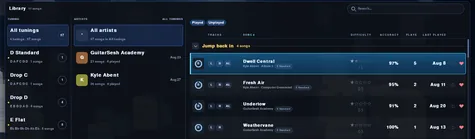
My own library, read straight off disk. Three panes: tuning, then artist, then the songs, so a drop-tuned chart never shows up while the guitar is in standard. Each row carries the best run so far, how many times it has been played and when it was last touched, so picking something is a decision rather than a scroll.

The three-pane picker with a tuning chosen, an artist selected and the song rows showing best score, play count and last-played date.

see what's recorded here →

Tuner

A tuner that knows which string is being asked for. Left alone it follows whatever is played; locked to a string it stays there, so a badly slack string reads as slack instead of quietly agreeing with the string below it. Each one confirms as it lands, and the count at the side says how much is left.

Five of six strings already in tune, the sixth just confirmed under a string lock.

see what's recorded here →
Amp and effects

A clean signal through a laptop sounds like a clean signal through a laptop. The amp gives it a voice: a shelf of ready-made tones to start from, each one a full chain rather than a preset name, and all of it running live while playing.

The tone shelf, with one tone selected and its chain summarised.

The True Classic backdrop.
True Classic
The Remix Classic backdrop.
Remix Classic
The Ecosystem Background backdrop.
Ecosystem Background
The Ecosystem Background 2 backdrop.
Ecosystem Background 2
The Guitar Surf Background backdrop.
Guitar Surf Background
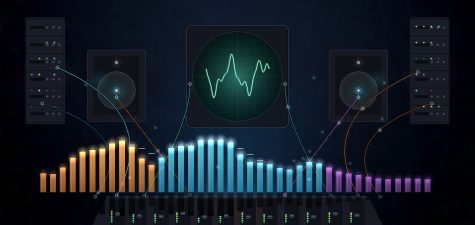
The Audio Studio Background backdrop. reactive
Audio Studio Background
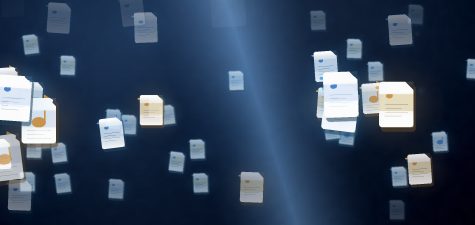
The File Browser Background backdrop.
File Browser Background
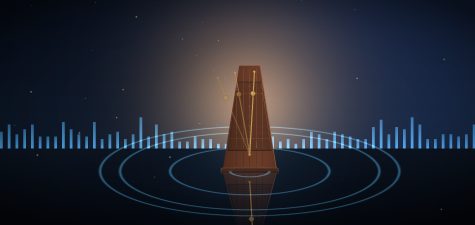
The Tempo Background backdrop.
Tempo Background
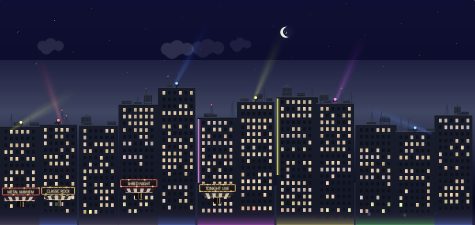
The Career Venue Background backdrop. reactive
Career Venue Background
The Practice Room Background backdrop.
Practice Room Background
The Synthwave Outrun backdrop. reactive
Synthwave Outrun
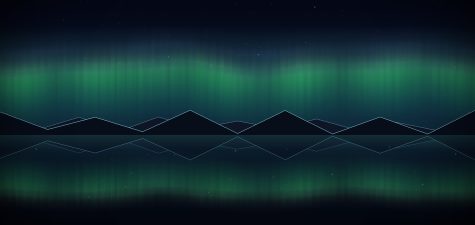
The Aurora Lake backdrop. reactive
Aurora Lake
The Stage Lights backdrop. reactive
Stage Lights
The Vinyl Groove backdrop.
Vinyl Groove
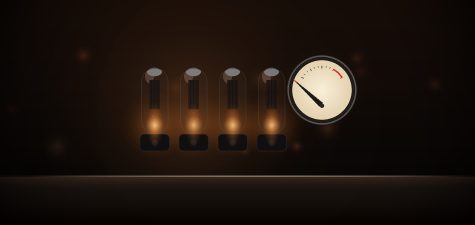
The Tube Amp Glow backdrop. reactive
Tube Amp Glow
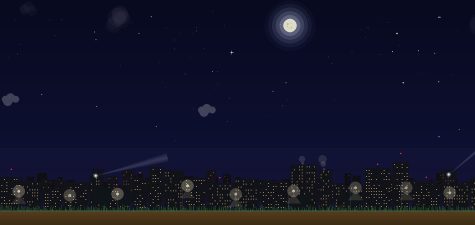
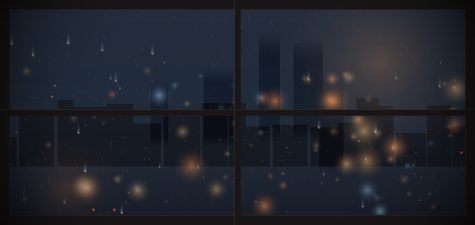
The Rainy Night backdrop. reactive
Rainy Night
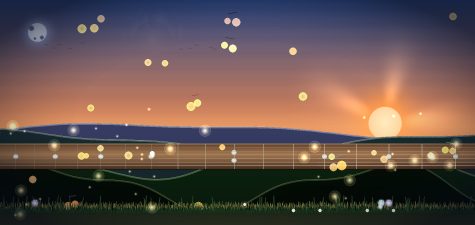
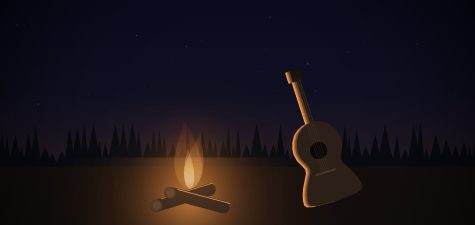
The Campfire Jam backdrop.
Campfire Jam
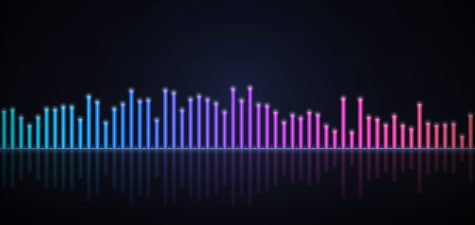
The Spectrum Bars backdrop. reactive
Spectrum Bars
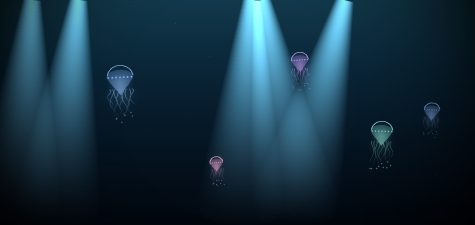
The Bioluminescent backdrop.
Bioluminescent
The Circuit Pulse backdrop. reactive
Circuit Pulse
The Stained Glass backdrop.
Stained Glass
The Snowy Peak backdrop.
Snowy Peak
The Shaman of the Night backdrop. reactive
Shaman of the Night
The Festival Field backdrop. reactive
Festival Field
The Fretboard Macro backdrop. reactive
Fretboard Macro
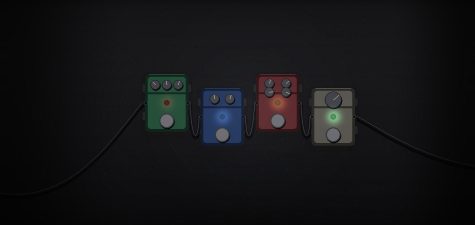
The Pedalboard backdrop. reactive
Pedalboard
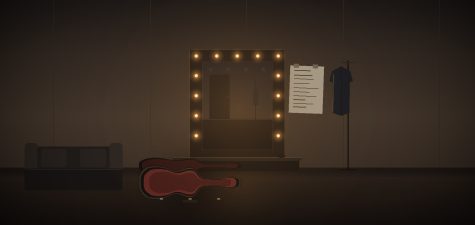
The Green Room backdrop.
Green Room
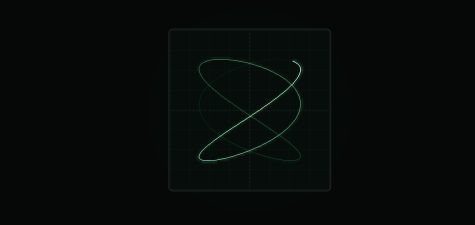
The Lissajous backdrop. reactive
Lissajous
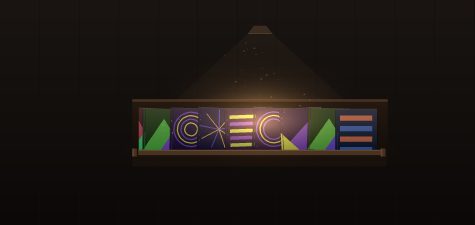
The Sleeve Wall backdrop.
Sleeve Wall

Backdrops

The menu backdrop is a choice, not a wallpaper. The gallery shows every scene with a live thumbnail, sorted into tabs, and a preview that fills the screen before anything is committed. A good number of them listen to the guitar and move with it.

All 29 scenes, live in the build. The 14 marked reactive move to what the guitar is playing.

Tune up with the browser mic

The game's tuner locks to the string you are turning, so a slack string reads flat instead of quietly becoming the next string up. That lock is what this demo runs.

Nothing heard yet.

Nothing heard.

Auto follows the nearest open string, so a string wound up from slack changes its name under you.

Locked to string 6, a slack string reads flat instead of jumping to string 5. That is the game's rule, ported here: under a lock the reading never folds up an octave, and it folds down only when the folded pitch lands within 45 cents of the string you locked. So 164.8 Hz locked to E2 reads as an in-tune 82.4 Hz second harmonic, and the same 164.8 Hz locked to E4 reads about twelve frets flat.

What the meter is doing: the needle sits at zero when the string is at its target pitch, swings left when the string is flat and right when it is sharp, and covers 50 cents -- half a semitone -- each way. Within five cents it turns the same white-blue the game uses for a string that is done. The note name, the distance in cents and the frequency in hertz are all written out beside it and read to this page as they change.

Audio is analysed in this tab and thrown away frame by frame. Nothing is recorded, stored or sent anywhere, and a microphone needs an https page, so this only runs on the live site or on a local server.

Import, play, read the numbers back

The three-pane picker with a tuning chosen, an artist selected and the song rows showing best score, play count and last-played date.

01 · IMPORT

Drop in your tabs

Any .gp3, .gp4, .gp5, .gp or .gpx file you already own, filed by tuning, artist and album as it imports. There is no catalogue to buy from and nothing to subscribe to.

A dense passage mid-song, a chord landing inside the finish slot with the streak running.

02 · PLAY

Play along, for real

Pitch detection runs in a compiled C++ module on the audio thread, so what is graded is the note you played, not a button you pressed. Dynamic Tempo moves the tempo under you; Dynamic Difficulty moves the note count, across eleven levels.

The Plays tab after a personal best, showing the grade, the accuracy and the run history for this song.

03 · TRACK

Read back what the play recorded

A play that reaches the save floor writes a note log: one row per note, carrying the string and fret, hit or miss, the moment you hit it against the moment it was charted, the timing word that gap earned, the technique and the bar. The database is rebuilt from those logs, and it is what the song report, the leaderboard, goals and the tempo picked for you next time all read.

What you need

  • A 1/4" to USB cable, or an audio interface
  • Windows or macOS
  • Tablature files you already own
  • One purchase, no subscription

It is in Early Access, which here means: the game is playable today, start to finish, and it is updated often — features keep arriving and I fix what players report.

Ready to start?

Import your tablature files, plug in, and play.

View on Steam

One purchase, no subscription. The songs are the tablature files already on your drive.